There’s been such a huge rise in people coming to pottery in London. Not just people who want to learn ceramics, or who have always dreamed of making their own pots, but people who seem to be looking for something else.
A break from their phones. A reason to slow down. Somewhere to go where they don’t have to achieve anything.
I see it every day at Skandihus.
People come through the door straight from work. They’re often talking quickly, checking their phones, telling us about their day. Then they sit down at the wheel, or start working with a piece of clay, and something changes.
They slow down.
Not because we tell them to. It just happens.
There’s something about clay that makes it very difficult to be anywhere other than where you are.
You can’t really answer an email while you’re throwing a pot. You can’t scroll Instagram and wedge clay at the same time. You have to pay attention to what your hands are doing.
And clay is very good at letting you know when you’re not paying attention.
Push too hard and it tells you.
Move too quickly and it tells you.
Try to force it into being something it doesn’t want to be and, quite often, it collapses.
I think there’s something really valuable in that.
We’re not very good at doing nothing
London is full of things to do. We’re busy all the time. Even our downtime can become another thing to organise, another place to go, another experience to have.
Pottery is different.
You sit down and make something.
That’s it.
And actually, it can be quite uncomfortable at first. Especially if you’re someone who is used to being good at things.
Because you might not be good at pottery.
Your first bowl might be wonky. Your cylinder might collapse. Your handle might come off. You might make something completely different from what you had in your head.
And then you realise it doesn’t really matter.
You’re learning.
You’re making something with your hands.
You’re having a go.
That feels increasingly rare.
There’s a reason people are drawn to making things
I don’t think pottery is therapy, and I wouldn’t want to pretend that it is.
But I do think there’s a relationship between making things and how we feel.
There is something grounding about using your hands. Something satisfying about taking a lump of clay and slowly turning it into an object.
You have to look. You have to feel. You have to adjust.
And for a couple of hours, your attention is somewhere very simple.
This piece of clay in front of you.
I think that is a big part of why pottery has become so popular in London.
People are looking for creativity that doesn’t happen on a screen.
They want to make something real.
And it’s not just about the pottery
One of my favourite things about running pottery studios is watching what happens between people.
People come to our pottery classes on their own and end up chatting to someone they’ve never met.
Friends come together and barely speak for the first twenty minutes because they’re concentrating so hard.
People come on dates.
People come for birthdays.
People come because they’ve just moved to London and want to meet people.
And then there are the regulars.
The people who have their favourite tools, their favourite spot in the studio and a shelf full of pots slowly accumulating.
The studio becomes part of their week.
I think we need more places like that.
Places where you can be around other people without having to perform.
Where you can talk if you want to, or just get on with what you’re making.
Maybe we just need more things that slow us down
I don’t know if pottery is the answer to our increasingly frantic lives.
But I do know that something happens when you spend a couple of hours working with clay.
You become a little more present.
You stop thinking about the thing that happened at work.
You forget to check your phone.
You start noticing what your hands are doing.
And you make something.
It might be a beautiful bowl.
It might be a slightly wonky bowl.
It might be something you never expected to make at all.
That’s the point.
At Skandihus, we’ve always wanted our studios to feel like somewhere you can come and slow down. Somewhere to learn pottery, but also somewhere to spend time making, being creative and being around other people.
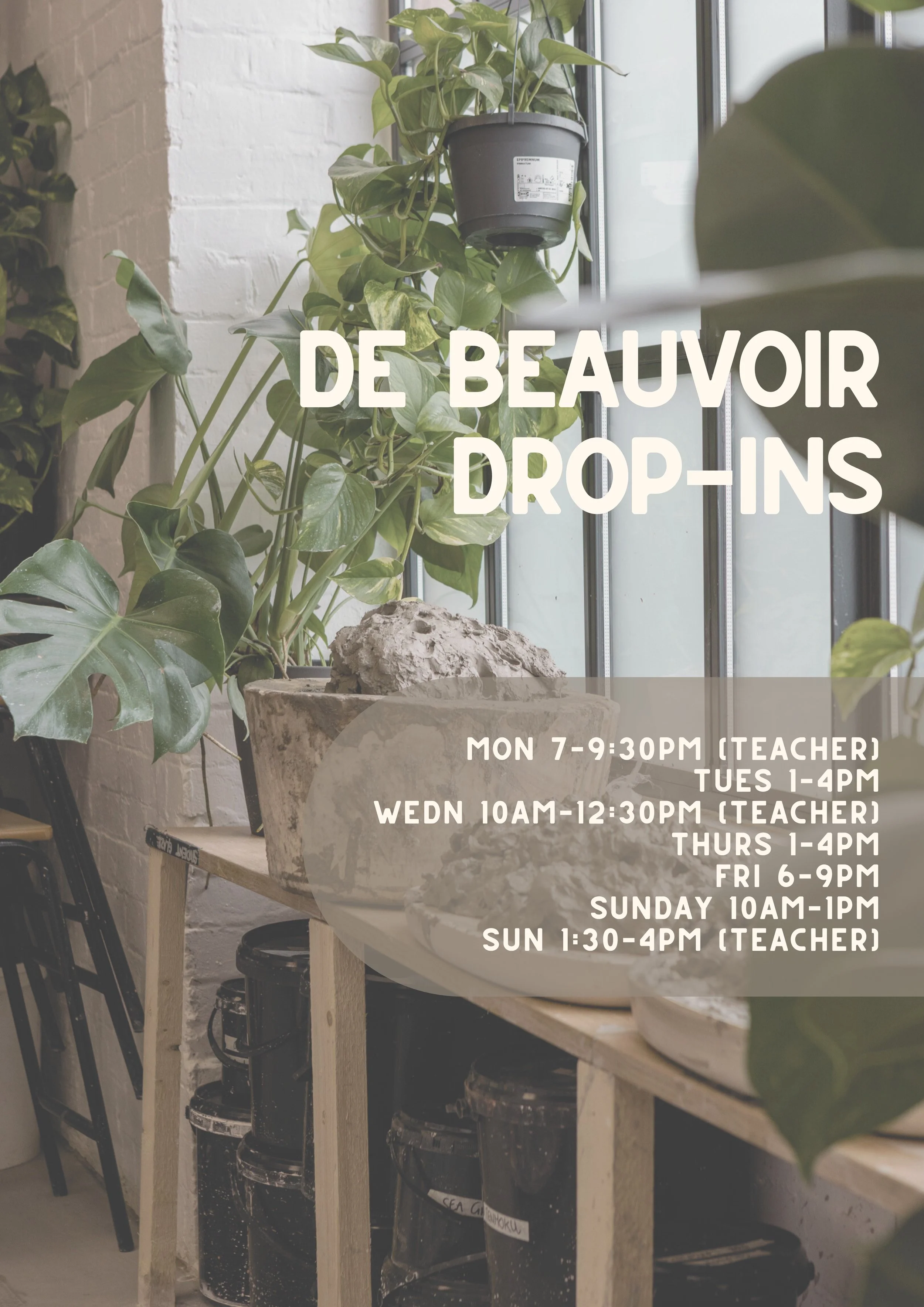
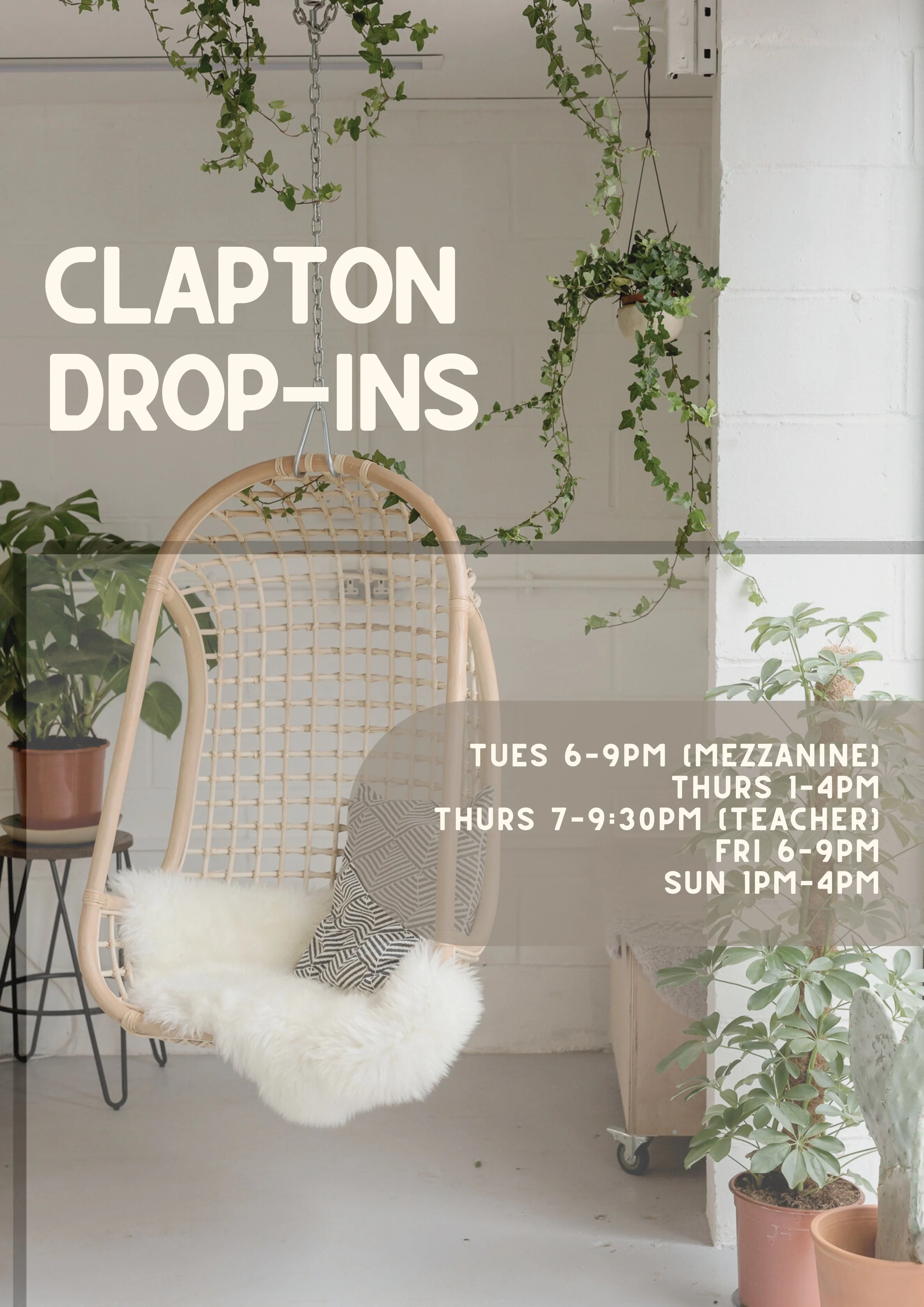
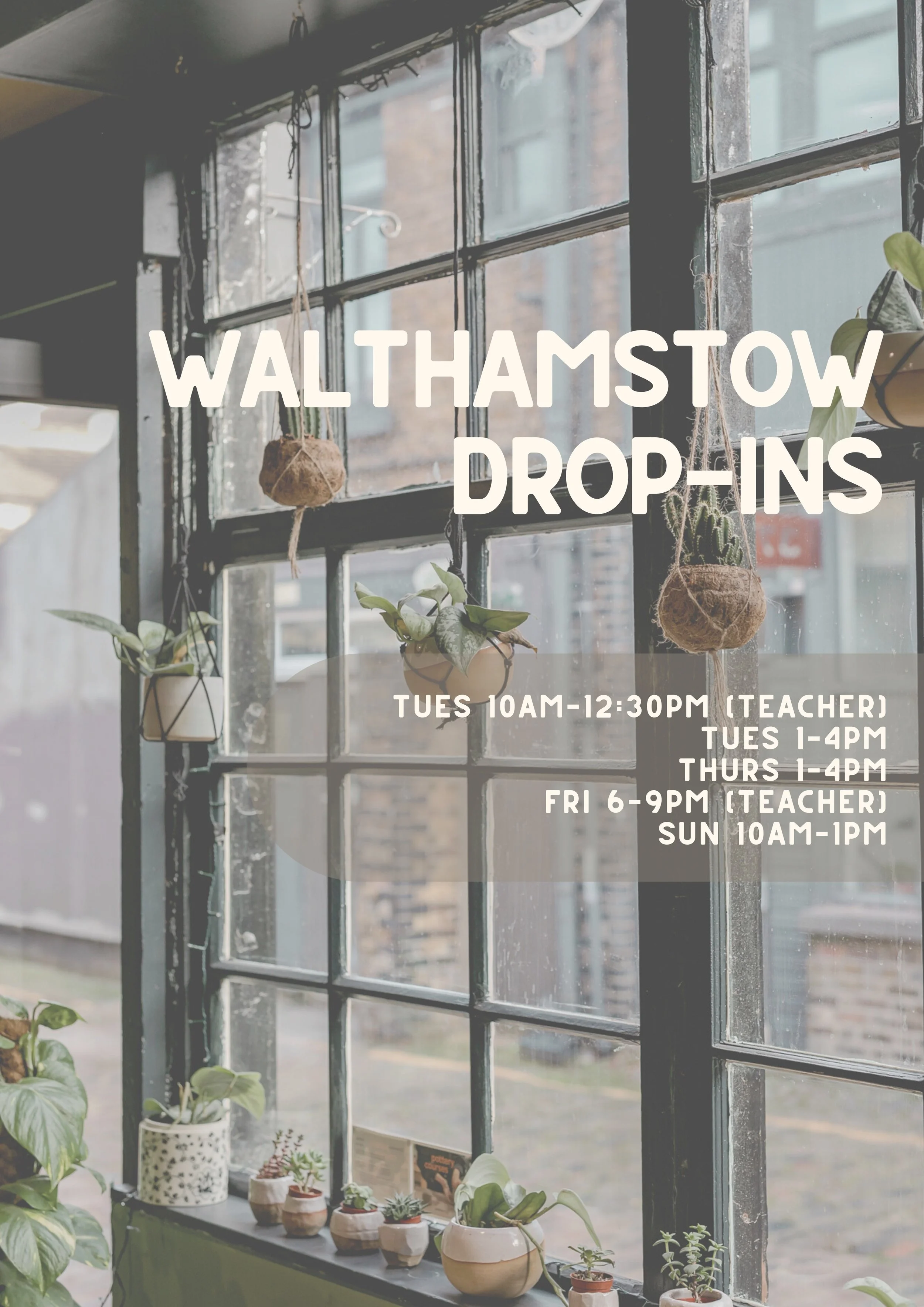
We have studios in Clapton, De Beauvoir and Walthamstow, and run pottery classes, courses and workshops for complete beginners as well as people who have been working with clay for years.
You don’t need to know what you’re doing.
You just need to come in and start.
The clay will take care of the rest.