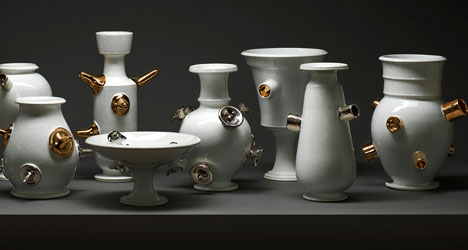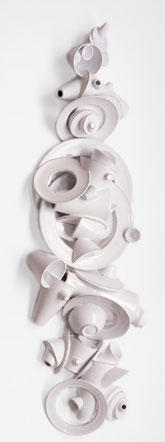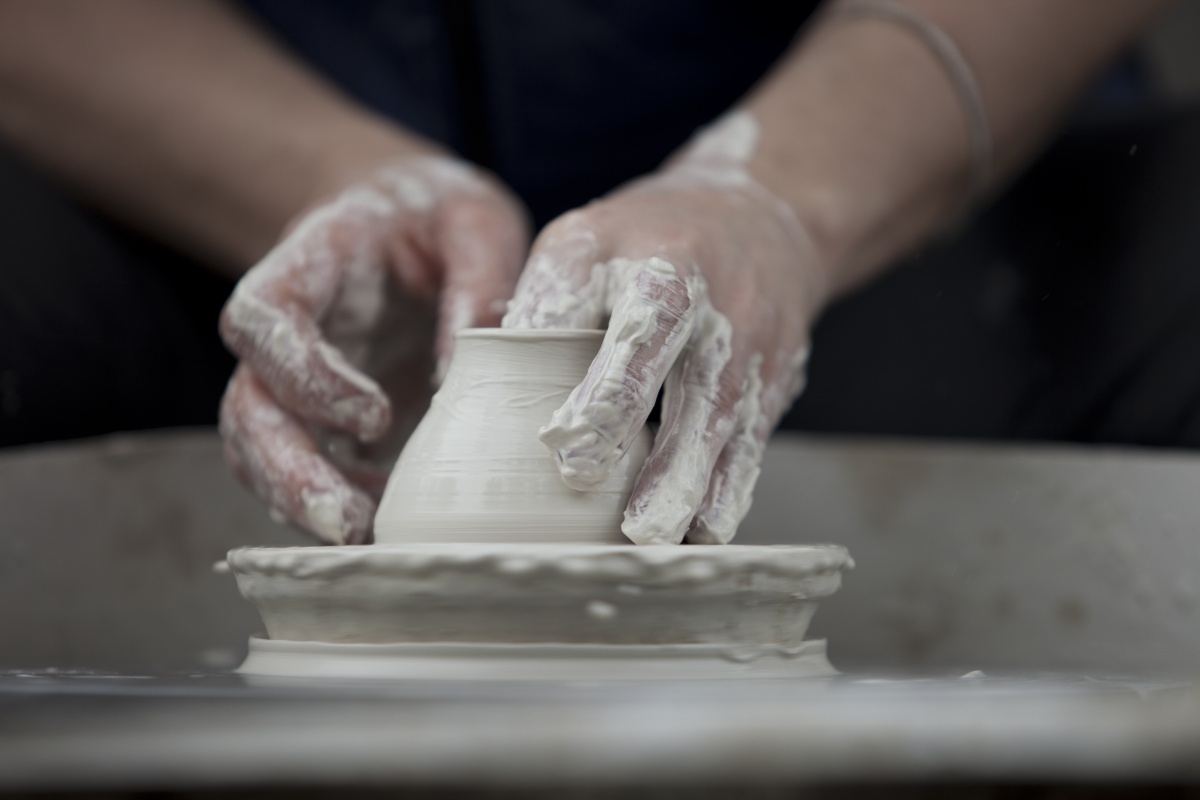
The dictionary definition of pottery is simply “objects of fired clays”. I am really interested in the relationship between pots and their function – and that’s exactly what this blog post is about.

My ceramics mentor (and hero!), Robert Cooper, recently talked to me about the history of pottery and how firing temperatures in different countries were determined by practical considerations. For example, in African countries, they would fire to lower temperatures because it would keep the clay porous, allowing the water to seep into the clay, thereby keeping the water cold. In Scandinavian countries, however, they fired to higher temperatures as the cold weather meant that the water would freeze and if allowed into the clay, could cause the vessels to break.

Tribal African Vessel
Then there’s the story of the ceramicist who made a coffee cup for her busy journalist and writer friend, who struggled to take breaks when he was working. The ceramicist’s answer was to design a cup, which could not stand up on its own. This forced the writer to get his hands off the keyboard, lean back and enjoy a coffee break. Genius.
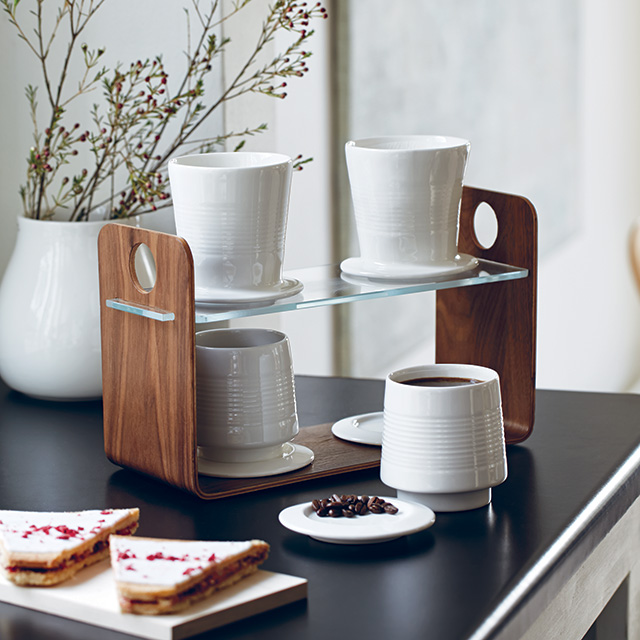
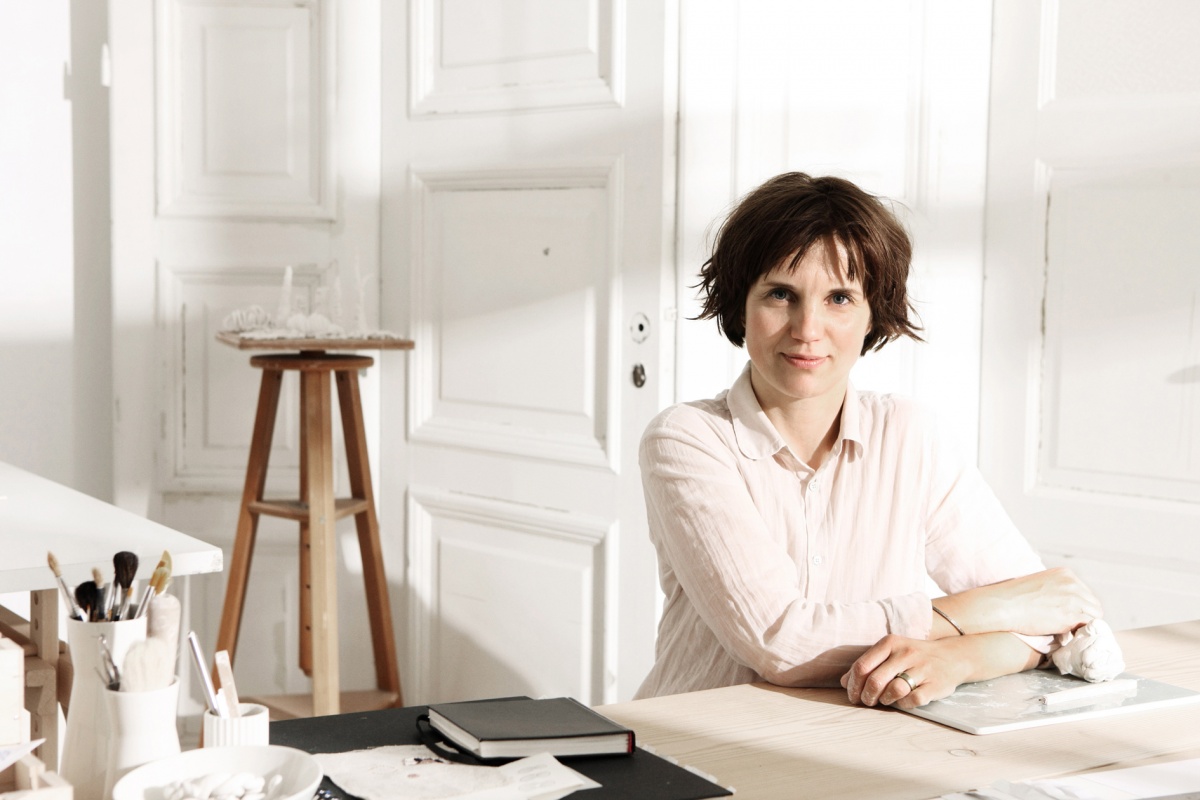
Personally, I have recently been commissioned to make coffee cups for a company called the Slow Brew Club. The ethos is all about taking time in your busy day to have a break or as they put it: “Even the best minds need to pause”.

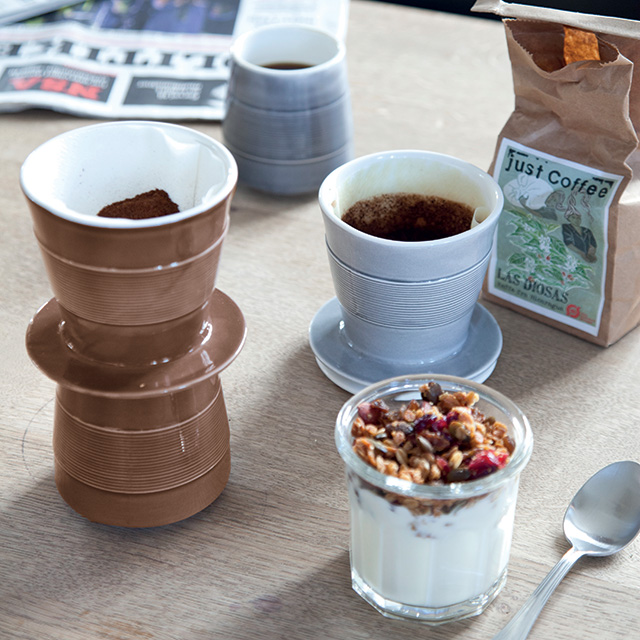
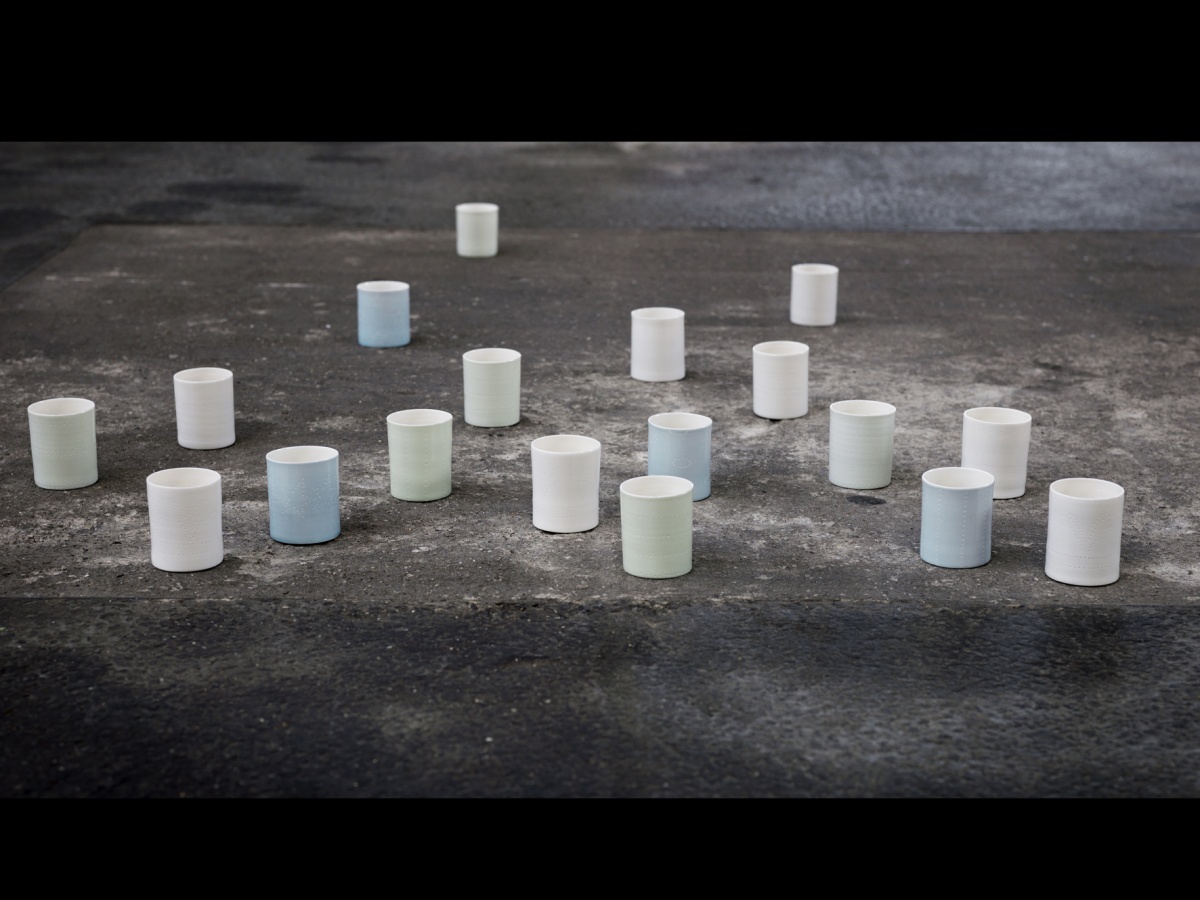
An example of other coffee cups which I have designed
This has made me think about how the design of a cup can alter the drinking experience of the user. With this in mind, I have been working with them to produce a cup that enhances the feeling of pausing without distracting the user both in respect of the shape, colour and texture of the vessel. We are not quite there yet but watch this space for the finished product.
Bye for now
X SkandiHus

 and the bizarre.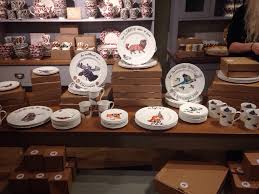
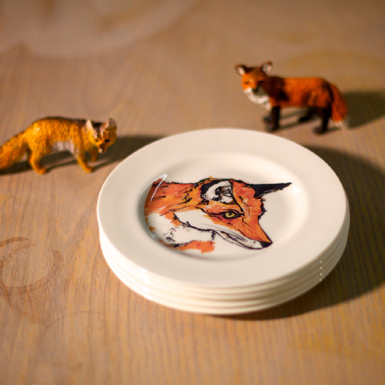
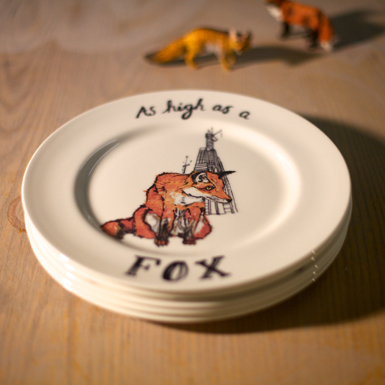
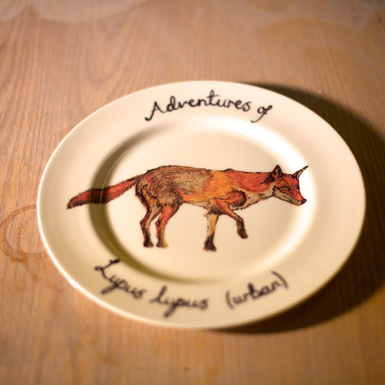

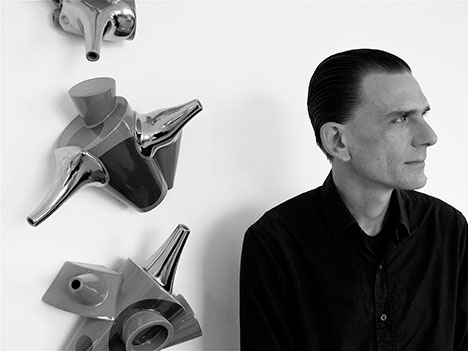
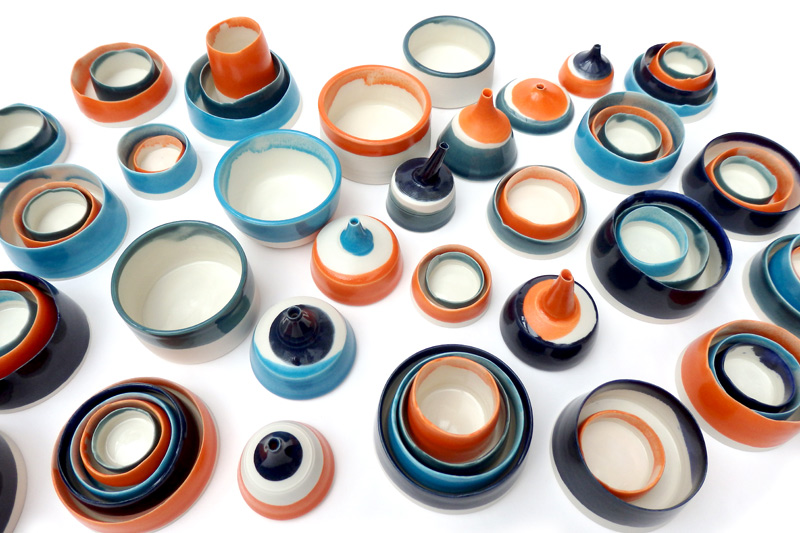 I am going to share with you, the tales of some talented ceramicists whose stories made such an impression on me that I felt compelled to do a blog post about them. Besides their work is so beautiful that I had to invite them into my SkandiHus.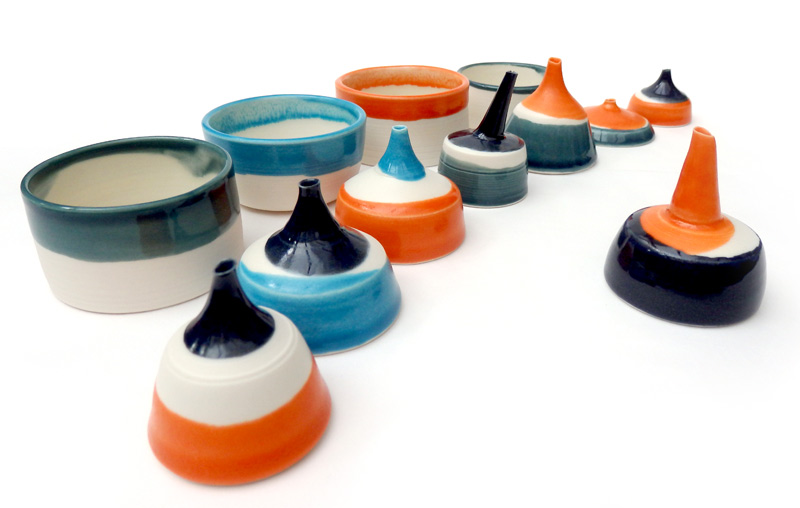
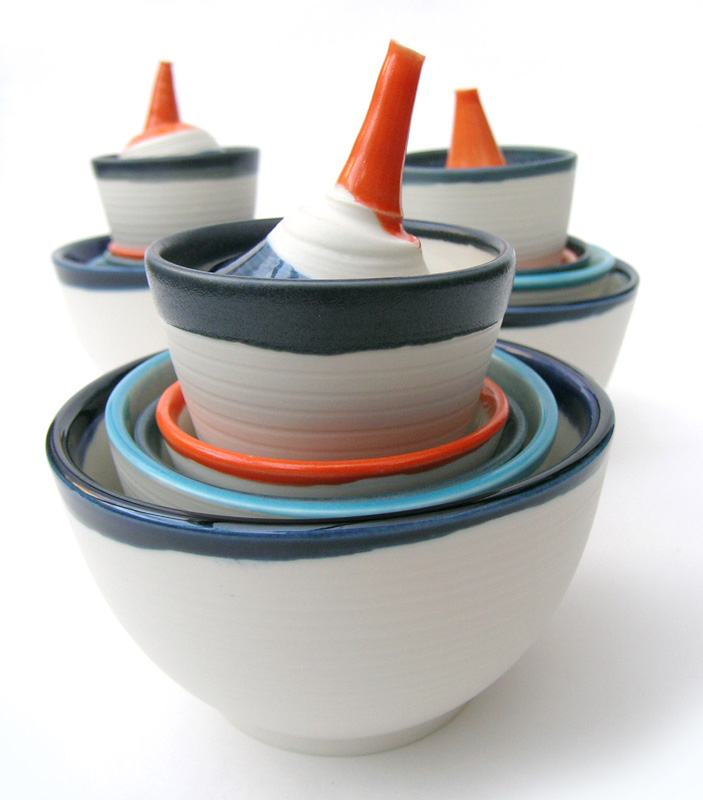
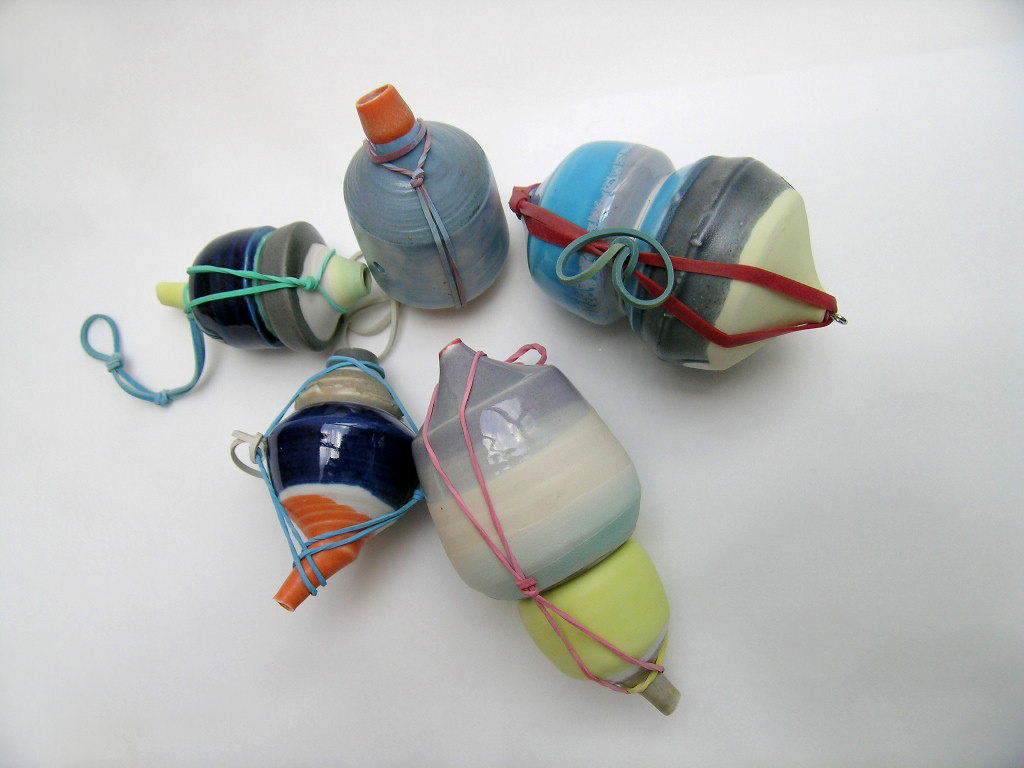
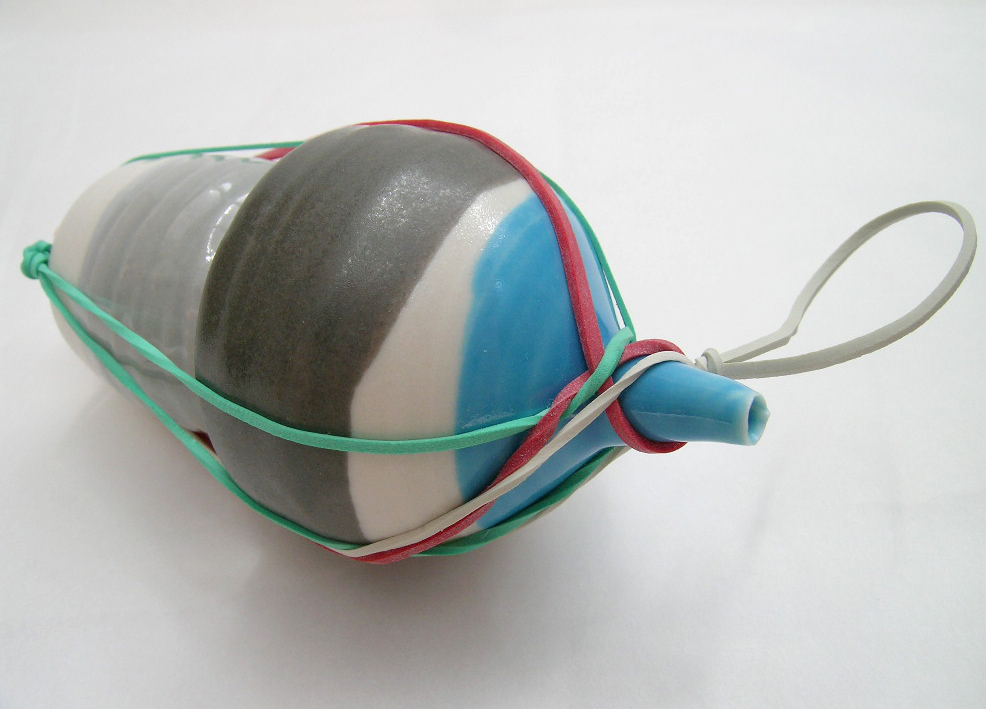
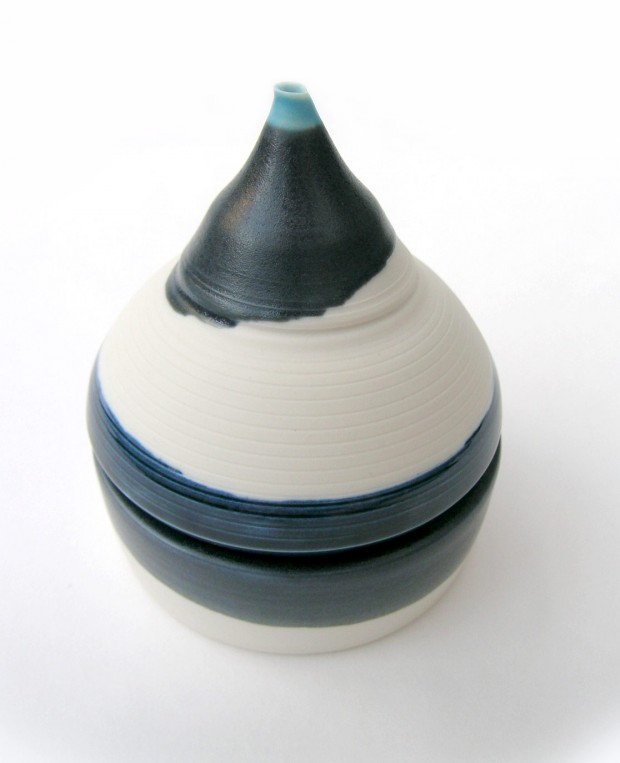


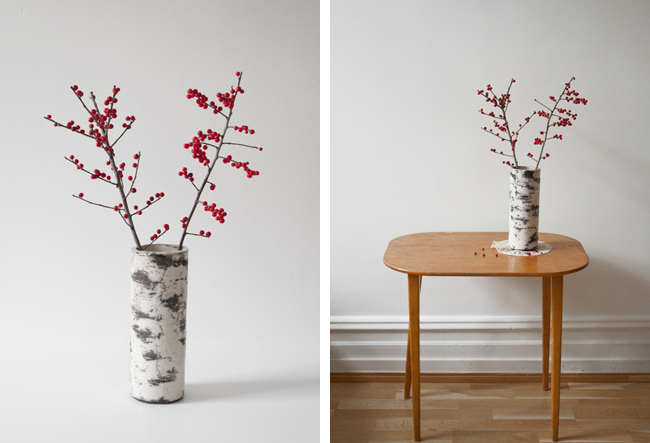


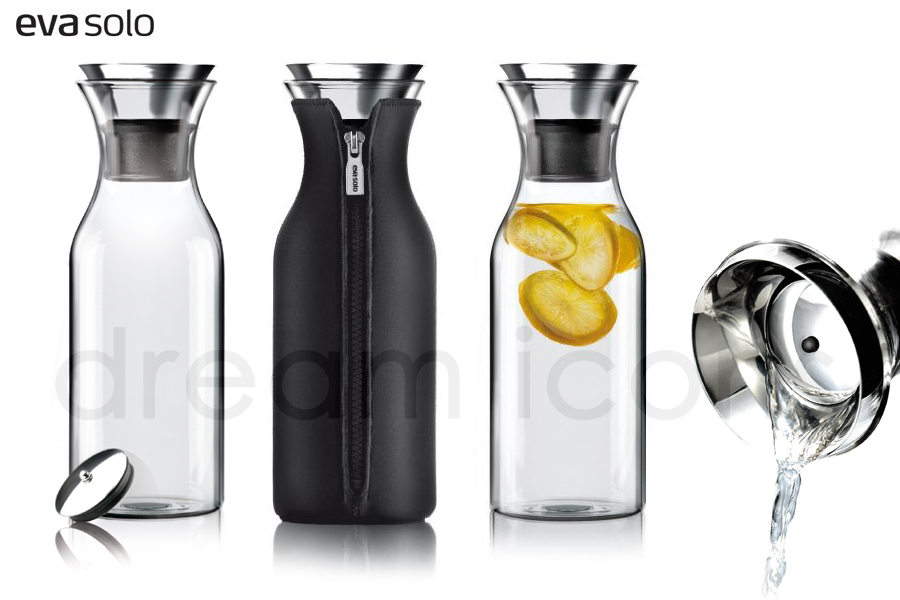

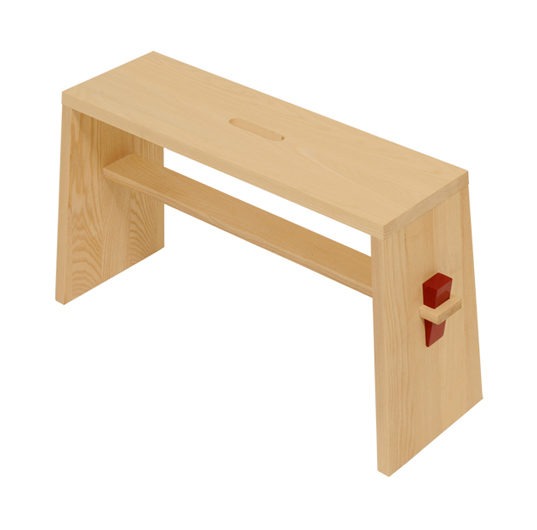 y the user always has them where they are needed and they can be used and enjoyed easily. Moreover it is important that the objects are functional.
 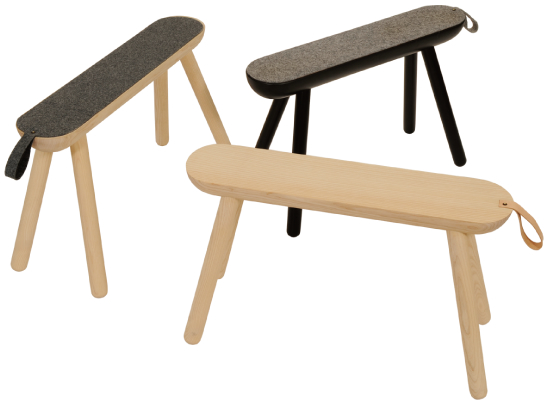 In other words, these guys are yet another example of designers who are managing to design unpretentious affordable designs without compromising on the quality. Love it!